

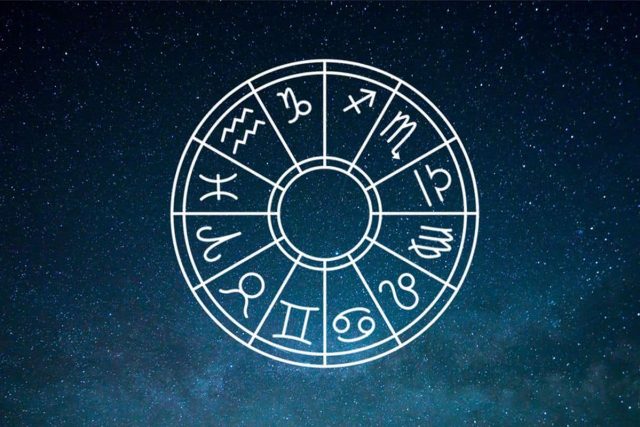
Oroscopo Stocchi represents a contemporary form of astrology that delivers zodiac-based predictions in a concise, accessible, and digitally optimized format. For readers seeking quick insights into love, career, or personal growth, it offers an immediate answer daily or weekly horoscopes designed to feel personal and relevant. Within seconds, users can locate their zodiac sign and receive guidance that appears tailored to their current emotional or life circumstances.
This immediate accessibility explains its widespread appeal. In a media environment defined by speed and convenience, Oroscopo Stocchi fits seamlessly into daily routines. Whether accessed through websites, mobile devices, or shared across social platforms, it transforms traditional horoscope reading into a modern, interactive experience.
Yet its significance extends beyond entertainment. It reflects a deeper cultural and psychological phenomenon: the human desire to find patterns, meaning, and reassurance in uncertain times. As global events become more complex and unpredictable, individuals increasingly turn to symbolic systems like astrology for clarity.
Oroscopo Stocchi, therefore, is not simply a collection of predictions. It is part of a broader transformation in how people engage with belief systems, blending ancient traditions with digital communication to create a new form of everyday storytelling.
Historical Foundations of Astrology
Astrology’s origins stretch back to ancient Mesopotamia, where early civilizations observed celestial movements to interpret earthly events. These early systems laid the foundation for what would later become structured astrological practices.
In classical Greece, astrology was refined into a philosophical system, introducing the zodiac signs that remain central today. Roman culture further popularized horoscope reading, embedding it into daily life. Over centuries, astrology evolved through various cultural and intellectual movements.
Oroscopo Stocchi builds upon this historical foundation while adapting it for modern audiences. The essential elements—zodiac symbols, planetary alignments, and interpretive language—remain intact, but their presentation has changed significantly.
| Historical Period | Development in Astrology |
|---|---|
| Mesopotamian Era | Early celestial observations |
| Greek Civilization | Formal zodiac system |
| Roman Period | Popular horoscope usage |
| 20th Century | Newspaper astrology columns |
| Digital Era | Online and mobile horoscopes |
This evolution highlights astrology’s ability to adapt across time. Oroscopo Stocchi represents its latest transformation, shaped by digital media and contemporary communication styles.
The Digital Reinvention of Horoscope Culture
The transition from print to digital media has profoundly altered how astrology is consumed. Traditional newspaper horoscopes have given way to online platforms that offer real-time updates and personalized content.
Oroscopo Stocchi exemplifies this shift. Its format is designed for quick reading, often featuring short, emotionally resonant messages that align with modern attention spans. This brevity enhances its shareability, allowing users to circulate content across social networks.
Digital platforms also enable personalization. Algorithms can suggest content based on user preferences, creating the impression of individualized predictions. This technological layer strengthens engagement and fosters a sense of relevance.
Media scholars emphasize that digital environments transform passive reading into active participation. Users not only consume horoscopes but also interact with them sharing, commenting, and integrating them into daily conversations.
This transformation has expanded astrology’s reach, making it a global phenomenon accessible to diverse audiences.
Psychological Mechanisms Behind Horoscope Appeal
The enduring popularity of Oroscopo Stocchi can be understood through key psychological principles. One of the most significant is the Barnum effect, which explains why individuals perceive general statements as personally accurate.
Horoscope language is intentionally broad yet emotionally specific, allowing readers to interpret it in ways that align with their experiences. This creates a powerful sense of connection.
| Psychological Concept | Role in Horoscope Belief |
|---|---|
| Barnum Effect | General statements feel unique |
| Confirmation Bias | Focus on accurate predictions |
| Emotional Validation | Reinforces personal feelings |
| Desire for Control | Provides structure and guidance |
Dr. Bertram Forer’s landmark study demonstrated how individuals consistently rate vague personality descriptions as highly accurate. This finding remains central to understanding modern horoscope engagement.
Beyond cognitive factors, astrology offers emotional benefits. It provides reassurance, reduces uncertainty, and helps individuals frame their experiences within a larger narrative.
Cultural Relevance in Contemporary Society
Oroscopo Stocchi reflects broader cultural dynamics. As traditional institutions evolve, many individuals seek alternative frameworks for understanding identity and purpose. Astrology fulfills this role by offering symbolic interpretations of personal experiences.
Zodiac signs have become a form of cultural shorthand, influencing how people describe themselves and others. This language extends beyond astrology, appearing in social interactions, media content, and even branding.
Sociologists note that astrology’s persistence is tied to its adaptability. It can coexist with modern scientific knowledge while serving different psychological and cultural functions.
In a globalized world, digital platforms amplify this influence. Oroscopo Stocchi reaches audiences across geographic boundaries, creating a shared cultural experience rooted in individualized interpretation.
Media, Influence, and the Commercialization of Astrology
The rise of digital astrology has been accompanied by increased commercialization. Platforms like Oroscopo Stocchi operate within a broader ecosystem that includes influencers, content creators, and digital marketers.
Astrology content is often integrated into lifestyle branding, aligning with themes such as wellness, mindfulness, and self-discovery. This positioning enhances its appeal and broadens its audience.
Experts in media studies highlight how personal expression is transformed into scalable content. Astrology becomes both a cultural practice and a commercial product, shaped by audience engagement and platform algorithms.
The visual presentation of horoscopes through graphics, typography, and multimedia also plays a significant role. These elements contribute to a cohesive brand identity that resonates with modern users.
This intersection of spirituality and commerce reflects a broader trend in digital culture.
Scientific Criticism and Ongoing Debate
Astrology, including formats like Oroscopo Stocchi, faces consistent criticism from the scientific community. Research has repeatedly found no empirical evidence linking planetary positions to human behavior or events.
Organizations such as NASA and the American Psychological Association emphasize that astrology lacks scientific validity. From this perspective, its claims cannot be tested or verified through established methods.
However, proponents argue that astrology should not be evaluated solely on scientific criteria. They view it as a symbolic system that offers meaning rather than measurable predictions.
This distinction highlights a broader debate between empirical science and interpretive belief systems. While astrology may not meet scientific standards, its cultural and psychological impact remains significant.
The Power of Narrative and Personal Meaning
At its core, Oroscopo Stocchi offers narrative. Each horoscope provides a story that helps individuals interpret their experiences and emotions. This narrative function is central to its appeal.
In an era characterized by information overload, simple and structured stories offer clarity. Horoscopes distill complex emotions into manageable insights, making them accessible and relatable.
Personalization enhances this effect. When users see content addressed to their zodiac sign, it creates a sense of direct communication. This perceived intimacy strengthens engagement.
As digital technologies continue to evolve, the ability to deliver personalized narratives will become even more refined. Oroscopo Stocchi represents an early example of this trend, where storytelling and data converge.
Takeaways
- Oroscopo Stocchi modernizes traditional astrology for digital audiences.
- Its popularity is driven by accessibility and emotional relevance.
- Psychological effects explain why horoscopes feel accurate.
- Astrology serves both cultural and personal functions.
- Digital platforms amplify its reach and influence.
- Scientific perspectives remain critical of its claims.
- Narrative storytelling is central to its appeal.
Summary
Oroscopo Stocchi illustrates how ancient belief systems can adapt to modern contexts. By combining traditional astrology with digital communication, it creates a format that resonates with contemporary audiences.
Its success reflects a broader shift in how people seek meaning. In a rapidly changing world, individuals turn to systems that offer guidance, structure, and emotional reassurance. Astrology fulfills this need, even as its scientific validity is debated.
The future of platforms like Oroscopo Stocchi will depend on their ability to continue evolving alongside technology and cultural trends. As personalization and digital storytelling become more sophisticated, astrology may take on new forms.
Ultimately, its enduring appeal lies not in prediction, but in interpretation the human desire to understand life through patterns, symbols, and stories.
FAQs
What is Oroscopo Stocchi?
It is a digital horoscope format that provides zodiac-based predictions in a concise and accessible style.
Is astrology scientifically proven?
No, scientific research does not support astrology’s claims about planetary influence on human behavior.
Why do horoscopes feel accurate?
Psychological effects like the Barnum effect and confirmation bias make general statements feel personal.
How is Oroscopo Stocchi different from traditional astrology?
It simplifies complex concepts into short, digital-friendly content designed for quick consumption.
Can horoscopes influence decisions?
For some people, they provide emotional guidance and perspective, influencing personal choices.
APA References
American Psychological Association. (2020). Why people believe in astrology. Retrieved from https://www.apa.org
Campion, N. (2016). Astrology and popular religion in the modern West. Retrieved from https://www.routledge.com
Forer, B. R. (1949). The fallacy of personal validation. Journal of Abnormal Psychology. Retrieved from https://psycnet.apa.org
NASA. (2020). What is astrology?. Retrieved from https://www.nasa.gov
Campbell, H. (2013). Digital religion: Understanding religious practice in new media worlds. Retrieved from https://www.routledge.com
Duffy, B. E. (2017). (Not) getting paid to do what you love. Retrieved from https://yalebooks.yale.edu