

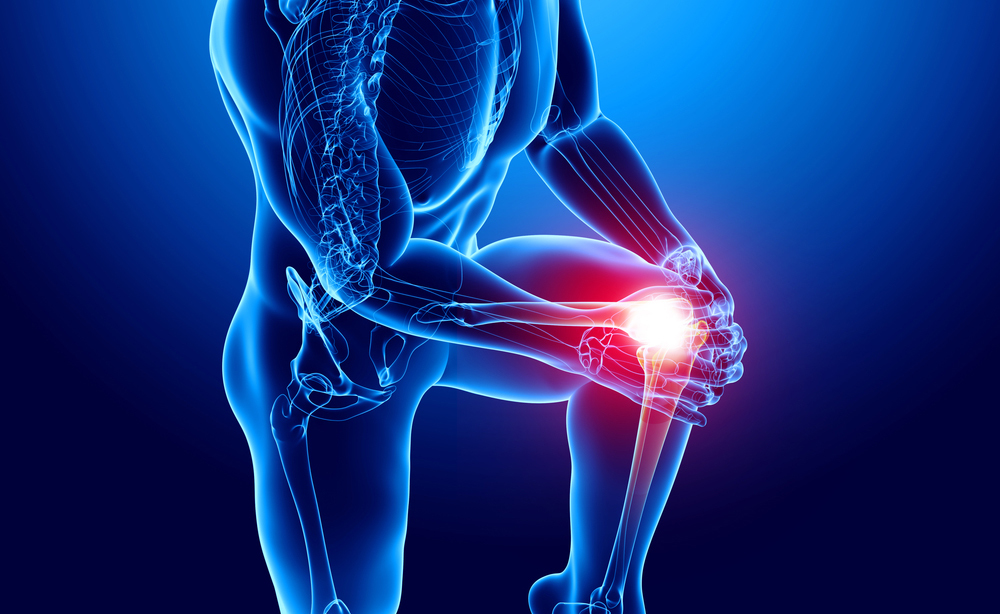
A cisti di Baker, widely known as a Baker’s cyst, is a fluid-filled swelling that develops at the back of the knee. For many individuals, it appears as a soft lump accompanied by tightness or discomfort, raising immediate concern about mobility and long-term joint health. The most direct answer to what it means is this: a Baker’s cyst is usually not dangerous, but it signals an underlying issue inside the knee joint, often related to inflammation, injury, or chronic conditions like arthritis.
The cyst forms when excess synovial fluid the lubricating fluid within the knee accumulates and pushes into a small sac behind the joint. This process is typically the body’s response to stress or damage within the knee. As a result, the cyst is not an isolated condition but part of a broader physiological reaction.
In today’s clinical understanding, Baker’s cysts are approached as indicators rather than primary diseases. Their presence prompts further investigation into joint health, making them important in early diagnosis and management of knee disorders.
As populations age and physical activity patterns evolve, conditions affecting joint health have become increasingly common. The Baker’s cyst stands at the intersection of these trends, offering insight into how the body responds to wear, injury, and inflammation.
Anatomy and Formation of a Baker’s Cyst
The knee joint is a complex structure composed of bones, cartilage, ligaments, and synovial fluid. This fluid plays a critical role in reducing friction and ensuring smooth movement. Under normal conditions, it circulates within the joint capsule in a balanced manner.
A Baker’s cyst develops when this balance is disrupted. Excess synovial fluid is produced, often due to inflammation, and is forced into the popliteal bursa a small sac located behind the knee. Over time, this leads to the formation of a visible swelling.
Medical experts emphasize that this condition reflects internal joint stress. As noted in orthopedic literature, Baker’s cysts are typically secondary to underlying joint disorders rather than independent conditions.
The anatomical connection between the joint and the cyst explains why symptoms often fluctuate. Activities that increase pressure within the knee such as bending or prolonged standing can cause the cyst to enlarge temporarily.
Understanding this mechanism is essential, as effective treatment depends on addressing both the cyst and its root cause.
Causes and Risk Factors
Baker’s cysts are most commonly associated with conditions that lead to increased production of synovial fluid. These include both chronic diseases and acute injuries.
| Cause | Description | Commonly Affected Group |
|---|---|---|
| Osteoarthritis | Degeneration of joint cartilage | Older adults |
| Rheumatoid arthritis | Autoimmune inflammation | Adults of various ages |
| Meniscal tear | Damage to knee cartilage | Athletes, active individuals |
| Knee injury | Trauma causing swelling | All age groups |
Age is a major factor, as joint wear increases over time. However, younger individuals can also develop cysts, particularly after sports-related injuries.
Inflammation remains the central mechanism. When the knee becomes irritated, it produces more synovial fluid, which can accumulate and form a cyst. This process underscores the importance of managing underlying conditions effectively.
Symptoms and Clinical Features
The presentation of a Baker’s cyst varies from person to person. Some individuals may experience minimal symptoms, while others report significant discomfort and mobility limitations.
Common symptoms include swelling behind the knee, stiffness, and a sensation of tightness. Pain may occur during movement or after prolonged activity. In certain cases, the cyst can rupture, leading to fluid leakage into the calf.
| Symptom | Typical Severity | Clinical Note |
|---|---|---|
| Swelling | Mild to severe | Often fluctuates |
| Stiffness | Moderate | Worse after activity |
| Pain | Variable | Linked to underlying issue |
| Limited mobility | Moderate to severe | Affects daily function |
The subtle nature of these symptoms can delay diagnosis. Many patients initially attribute discomfort to general fatigue or minor injury, highlighting the need for clinical evaluation.
Diagnostic Approaches
Diagnosing a Baker’s cyst begins with a physical examination. Healthcare providers assess the swelling, evaluate knee movement, and consider the patient’s medical history.
Imaging techniques are essential for confirmation. Ultrasound is commonly used to detect fluid accumulation and distinguish the cyst from other conditions. Magnetic resonance imaging (MRI) provides detailed insights into the internal structure of the knee, helping identify underlying causes such as cartilage damage.
Additional tests may be conducted to rule out inflammatory or autoimmune disorders. This comprehensive approach ensures that treatment targets the root cause rather than just the visible symptom.
Modern diagnostics reflect a broader shift toward precision medicine, where understanding the full context of a condition is key to effective care.
Treatment and Management
Treatment for a Baker’s cyst depends on its severity and the underlying condition. In many cases, conservative management is sufficient.
Initial approaches include rest, ice application, compression, and elevation. Nonsteroidal anti-inflammatory drugs (NSAIDs) may be used to reduce pain and swelling. Physical therapy can help improve joint function and prevent recurrence.
For more persistent cases, medical interventions such as fluid drainage (aspiration) and corticosteroid injections may be considered. These treatments provide temporary relief but do not address the underlying issue.
Surgical intervention is reserved for severe cases or when structural damage requires correction. Procedures may involve repairing torn cartilage or addressing arthritis-related changes.
The primary goal of treatment is to restore joint health and prevent recurrence.
Lifestyle and Preventive Strategies
Maintaining knee health is essential for preventing Baker’s cysts and related conditions. Lifestyle choices play a significant role in reducing risk.
Regular low-impact exercise, such as swimming or cycling, strengthens muscles without placing excessive strain on the knee. Maintaining a healthy weight reduces pressure on joints, lowering the likelihood of inflammation.
Flexibility and strength training also contribute to joint stability. Proper technique during physical activities can prevent injuries that may lead to cyst formation.
For individuals with chronic conditions, ongoing management is crucial. This includes regular medical checkups and adherence to treatment plans.
Preventive strategies focus on long-term joint care, emphasizing consistency and awareness.
Complications and Medical Considerations
Although generally benign, Baker’s cysts can lead to complications. The most notable is rupture, which can cause sudden pain and swelling in the calf.
This condition may resemble deep vein thrombosis, requiring careful evaluation to avoid misdiagnosis. Other complications include nerve compression and reduced mobility.
Patients should seek medical attention if they experience severe pain, rapid swelling, or changes in skin color. Early intervention can prevent complications and improve outcomes.
Understanding potential risks helps patients make informed decisions about their health.
Broader Implications for Joint Health
Baker’s cysts highlight the interconnected nature of joint health. They are not isolated occurrences but indicators of broader physiological processes.
As populations age, conditions affecting joints are becoming more prevalent. This trend underscores the importance of preventive care and early intervention.
Healthcare systems are increasingly focusing on holistic approaches, addressing both symptoms and underlying causes. This perspective aligns with modern understandings of chronic disease management.
The Baker’s cyst serves as a reminder that even minor symptoms can reflect deeper health issues, encouraging proactive care and awareness.
Takeaways
- Baker’s cysts are fluid-filled swellings linked to knee joint disorders.
- They often result from inflammation, injury, or chronic conditions.
- Symptoms include swelling, stiffness, and reduced mobility.
- Diagnosis relies on physical exams and imaging techniques.
- Treatment focuses on managing the underlying cause.
- Lifestyle choices play a key role in prevention.
- Complications are rare but require prompt medical attention.
Conclusion
The cisti di Baker represents more than a localized swelling behind the knee. It is a reflection of how the body responds to stress, injury, and aging within one of its most vital joints. While the cyst itself is often harmless, its presence signals the need for closer attention to joint health.
Modern medical approaches emphasize understanding the broader context of the condition. By identifying underlying causes, clinicians can provide more effective and lasting solutions. This holistic perspective marks a significant advancement in orthopedic care.
For individuals, a Baker’s cyst offers an opportunity to reassess lifestyle habits and prioritize long-term well-being. Through proper management and preventive strategies, most people can maintain mobility and quality of life.
Ultimately, the condition underscores a simple but important truth: small physical changes can carry meaningful insights into overall health.
FAQs
What is a cisti di Baker?
It is a fluid-filled swelling behind the knee caused by excess synovial fluid, often linked to joint conditions.
Can it heal without treatment?
Yes, mild cases may resolve on their own, especially if the underlying issue improves.
Is it a serious condition?
It is usually not serious but may indicate underlying joint problems that need attention.
What causes the cyst to grow?
Increased inflammation and fluid production within the knee can cause the cyst to enlarge.
When should I see a doctor?
Seek medical advice if you experience severe pain, swelling, or sudden changes in symptoms.
APA References
Mayo Clinic. (2023). Baker cyst. Retrieved from https://www.mayoclinic.org
National Health Service (NHS). (2022). Baker’s cyst. Retrieved from https://www.nhs.uk
American Academy of Orthopaedic Surgeons. (2021). Baker’s cyst (popliteal cyst). Retrieved from https://orthoinfo.aaos.org
Cleveland Clinic. (2023). Baker cyst: Symptoms and causes. Retrieved from https://my.clevelandclinic.org
Arthritis Foundation. (2022). Baker’s cyst and knee arthritis. Retrieved from https://www.arthritis.org
 Kelly
Kelly