

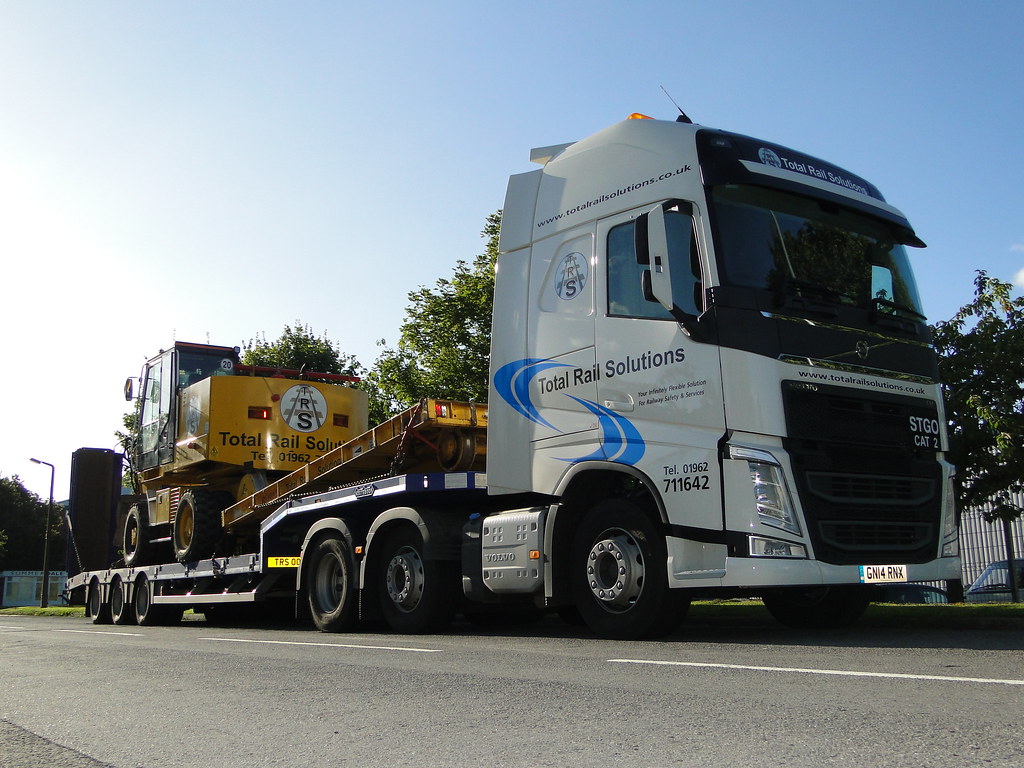
Total rail solutions refer to a comprehensive, integrated approach to designing, building, and operating railway systems. Instead of treating infrastructure, trains, and technology as separate elements, this model unifies them into a single, coordinated ecosystem. The goal is simple yet transformative: deliver faster, safer, more efficient, and environmentally responsible transportation for both passengers and freight.
In the first instance, total rail solutions answer a pressing global need. Cities are expanding, populations are rising, and traditional transport systems are under strain. Fragmented rail networks where tracks, signaling, and operations are managed independently often lead to inefficiencies, delays, and higher costs. By contrast, integrated rail systems align every component, from track design to digital ticketing, ensuring seamless performance.
This approach has gained momentum in the 21st century as governments and private stakeholders recognize the long-term value of cohesive transportation systems. Beyond improving mobility, total rail solutions also support economic growth, reduce environmental impact, and enhance the quality of life in urban and regional areas. As such, they represent not just a technological advancement, but a strategic shift in how societies plan and manage transportation infrastructure.
The Evolution of Rail Systems
Rail transport has evolved significantly since its origins in the early 19th century. The first railways were powered by steam locomotives and primarily served industrial purposes, moving raw materials and goods across short distances. Over time, rail networks expanded, becoming a central pillar of national economies.
The 20th century introduced major innovations, including electrification and diesel-powered trains, which improved speed and efficiency. However, these advancements often occurred in isolation. Infrastructure upgrades did not always align with operational improvements, leading to inefficiencies within the system.
The concept of integration began to emerge toward the late 20th century, as urban congestion and environmental concerns highlighted the limitations of fragmented systems. Engineers and policymakers started to focus on creating interconnected networks where infrastructure, rolling stock, and operational systems worked together.
Today, total rail solutions represent the culmination of this evolution. They embody a shift from isolated improvements to holistic system design, ensuring that every component contributes to overall efficiency and sustainability.
Core Components of Total Rail Solutions
Total rail solutions rely on several interconnected components, each playing a vital role in the overall system. Infrastructure forms the foundation, including tracks, stations, tunnels, and bridges. Modern infrastructure is designed for durability, safety, and adaptability, accommodating future technological advancements.
Rolling stock, or the trains themselves, has undergone significant transformation. Contemporary trains are designed for energy efficiency, passenger comfort, and operational reliability. High-speed trains and freight locomotives alike are now equipped with advanced systems that enhance performance.
Signaling systems are another critical component. Modern digital signaling allows for precise train control, reducing the risk of accidents and improving network capacity. Electrification further enhances efficiency by reducing reliance on fossil fuels and lowering emissions.
Digital platforms tie these elements together. They enable real-time monitoring, predictive maintenance, and seamless passenger services such as online ticketing and journey planning. When integrated effectively, these components create a cohesive system that maximizes efficiency and reliability.
Comparison of Traditional and Integrated Rail Systems
| Aspect | Traditional Rail Systems | Total Rail Solutions |
|---|---|---|
| System Design | Fragmented | Fully integrated |
| Maintenance | Reactive | Predictive and data-driven |
| Energy Source | Diesel/Fossil fuels | Electrified and sustainable |
| Passenger Services | Basic | Digital and user-friendly |
| Efficiency | Moderate | High |
| Expansion Capability | Limited | Scalable and adaptable |
Digital Transformation in Rail Networks
Digital technology is at the heart of total rail solutions. The integration of data analytics, artificial intelligence, and sensor-based systems has transformed rail operations. These technologies enable real-time monitoring of trains and infrastructure, allowing operators to identify and address issues before they escalate.
Predictive maintenance is one of the most significant advancements. By analyzing data from sensors embedded in tracks and trains, operators can anticipate equipment failures and schedule maintenance proactively. This reduces downtime, lowers costs, and improves reliability.
Automation is also reshaping rail systems. Advanced signaling technologies allow for semi-autonomous or fully autonomous train operations, enhancing safety and efficiency. Meanwhile, digital ticketing systems provide passengers with seamless travel experiences, from booking to arrival.
Experts emphasize the importance of digital integration. According to transportation analyst insights, modern railways are increasingly becoming data-driven ecosystems, where information flows as crucially as physical movement.
Sustainability and Environmental Impact
Total rail solutions play a critical role in promoting environmental sustainability. Rail transport is inherently more energy-efficient than road or air travel, and integrated systems amplify these benefits. Electrified rail networks significantly reduce greenhouse gas emissions, contributing to global climate goals.
In addition to reducing emissions, rail systems help decrease urban congestion. High-capacity trains can transport large numbers of passengers or goods, reducing the need for multiple vehicles on roads. This leads to lower fuel consumption and improved air quality.
Noise pollution is another area where modern rail systems offer advantages. Advanced engineering techniques and improved track design minimize noise levels, enhancing the quality of life for communities near rail lines.
Environmental experts consistently highlight rail as a key component of sustainable transportation strategies. By investing in integrated rail systems, governments can achieve a balance between economic development and environmental responsibility.
Economic Benefits and Global Adoption
The economic impact of total rail solutions is substantial. Large-scale rail projects create jobs during construction and operation, stimulating local economies. Improved transportation networks also enhance connectivity, making it easier for businesses to operate and expand.
Freight rail systems, in particular, play a crucial role in supply chain efficiency. Integrated networks ensure faster and more reliable delivery of goods, reducing costs for businesses and consumers. Passenger rail systems, on the other hand, support tourism and regional development by improving accessibility.
Countries with advanced rail systems demonstrate the economic advantages of integration. High-speed rail networks have reduced travel times, increased productivity, and strengthened regional economies. As more nations invest in rail infrastructure, the global adoption of total rail solutions continues to grow.
Timeline of Key Developments in Rail Integration
| Year | Development |
|---|---|
| 1825 | First public railway opens |
| 1900s | Expansion of national rail networks |
| 1964 | Introduction of high-speed rail |
| 1990s | Emergence of digital signaling |
| 2000s | Integration-focused rail planning begins |
| 2020s | AI and IoT reshape rail operations |
Challenges in Implementing Total Rail Solutions
Despite their advantages, total rail solutions face several challenges. The most significant is the high initial investment required for infrastructure development and technology integration. For many countries, securing funding for large-scale rail projects can be difficult.
Interoperability is another challenge. Integrating new technologies with existing infrastructure requires careful planning and coordination. Legacy systems may need to be upgraded or replaced, adding to the complexity and cost.
Regulatory and political factors also play a role. Rail projects often involve multiple stakeholders, including government agencies, private companies, and international organizations. Aligning their interests and ensuring effective collaboration can be challenging.
Experts note that successful implementation requires not only technical expertise but also strong governance and strategic planning. Overcoming these challenges is essential to realizing the full potential of integrated rail systems.
The Future of Total Rail Solutions
The future of rail transportation lies in further integration and innovation. Emerging technologies such as autonomous trains, hydrogen-powered locomotives, and advanced data analytics are set to redefine the industry. These advancements will enhance efficiency, reduce environmental impact, and improve passenger experience.
Smart cities will increasingly rely on integrated rail systems as a backbone for urban mobility. By connecting different modes of transportation, rail networks can create seamless travel experiences for passengers.
Innovations such as magnetic levitation (maglev) and hyperloop concepts represent the next frontier in rail technology. While still in development, these systems highlight the potential for even faster and more efficient transportation.
As global challenges continue to evolve, total rail solutions will play a crucial role in shaping the future of mobility. Their ability to integrate technology, infrastructure, and operations makes them a cornerstone of modern transportation systems.
Takeaways
- Total rail solutions integrate all aspects of rail systems into a unified network.
- They improve efficiency, reliability, and passenger experience.
- Digital technologies are central to modern rail operations.
- Integrated rail systems support environmental sustainability.
- Economic benefits include job creation and improved logistics.
- Challenges include high costs and system integration complexities.
Conclusion
Total rail solutions represent a transformative approach to transportation, addressing the limitations of traditional rail systems through integration and innovation. By unifying infrastructure, technology, and operations, these systems deliver enhanced efficiency, sustainability, and economic value.
While challenges remain, particularly in terms of cost and implementation, the long-term benefits are clear. Integrated rail networks not only improve mobility but also contribute to broader societal goals, including environmental protection and economic development.
As the world continues to urbanize and confront climate challenges, the importance of total rail solutions will only grow. They are not merely a mode of transport but a strategic investment in the future—connecting communities, enabling commerce, and supporting sustainable progress.
FAQs
What is meant by total rail solutions?
It refers to an integrated approach combining infrastructure, trains, technology, and operations into a single efficient rail system.
How do total rail solutions improve efficiency?
They align all components of the rail network, reducing delays, optimizing maintenance, and enhancing overall performance.
Are total rail solutions environmentally friendly?
Yes, especially when electrified, they reduce emissions and energy consumption compared to other transport modes.
What technologies are used in modern rail systems?
AI, IoT, digital signaling, and predictive maintenance systems are commonly used.
What are the main challenges in implementation?
High costs, integration with existing systems, and regulatory complexities are key challenges.
APA References
International Energy Agency. (2022). Rail transport and environment. Retrieved from https://www.iea.org/reports/rail
World Bank. (2020). Railway reform: Toolkit for improving rail sector performance. Retrieved from https://www.worldbank.org
European Commission. (2021). Sustainable and smart mobility strategy. Retrieved from https://transport.ec.europa.eu
International Union of Railways (UIC). (2021). Railway statistics and performance indicators. Retrieved from https://uic.org
McKinsey & Company. (2020). The future of rail infrastructure and mobility. Retrieved from https://www.mckinsey.com