

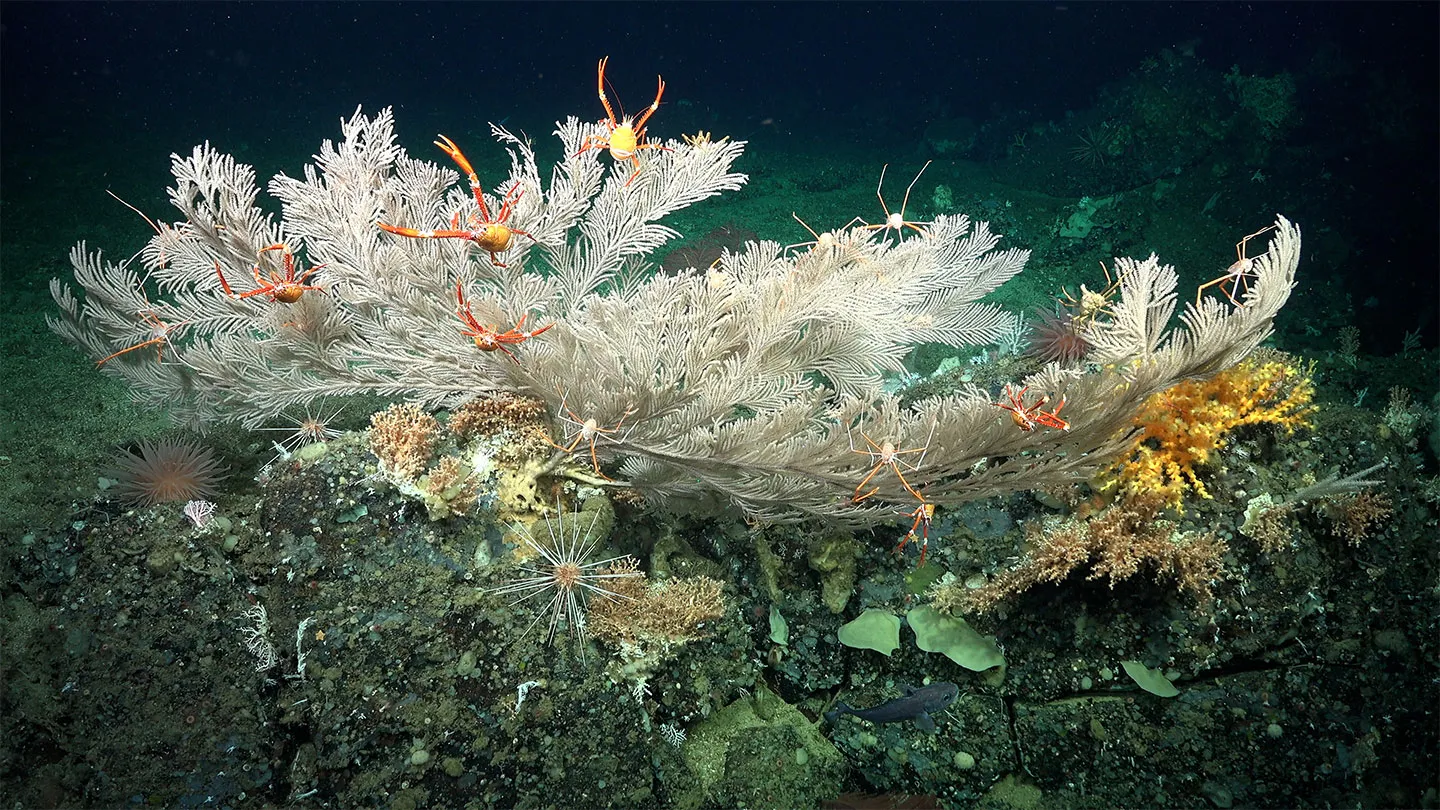
Reef corals are living marine organisms that build some of the most diverse ecosystems on Earth. Often mistaken for rocks or plants, they are colonies of tiny animals called polyps that secrete calcium carbonate skeletons. These structures grow slowly over centuries, forming coral reefs that support nearly a quarter of all marine life despite covering a very small portion of the ocean floor. Understanding reef corals begins with recognizing their ecological importance. They provide habitat for thousands of marine species, protect coastlines from erosion, and support fishing and tourism industries worldwide. In simple terms, without reef corals, ocean biodiversity would collapse, and millions of people would lose vital resources. However, reef corals are under serious threat. Rising ocean temperatures, pollution, and human activities are damaging these ecosystems at an alarming rate. Coral bleaching, one of the most visible signs of stress, has become increasingly frequent over the past few decades.
This article explores reef corals in depth, including their biology, types, ecological value, threats, and conservation efforts. It offers a clear and structured understanding of why these organisms matter and what their future may hold.
The Biology of Reef Corals
Reef corals are made up of small, soft-bodied organisms called polyps. Each polyp lives inside a hard skeleton made of calcium carbonate, which it secretes for protection. Over time, these skeletons accumulate and form large reef structures.
A key feature of coral biology is their symbiotic relationship with microscopic algae known as zooxanthellae. These algae live within coral tissues and provide energy through photosynthesis. In return, the coral offers shelter and nutrients. This relationship is essential for coral survival and growth. Corals thrive in warm, shallow waters where sunlight can penetrate easily. This allows the algae to photosynthesize efficiently. However, this dependence on specific conditions also makes corals highly sensitive to environmental changes.
When conditions are stable, coral reefs grow and flourish. But even small changes in temperature or water quality can disrupt their delicate balance.
Types of Coral Reefs
Coral reefs are classified into three main types based on their structure and location. Each type plays a unique role in marine ecosystems.
| Reef Type | Description | Common Locations |
|---|---|---|
| Fringing Reefs | Grow close to shorelines | Caribbean, Red Sea |
| Barrier Reefs | Separated from land by lagoons | Great Barrier Reef |
| Atolls | Ring-shaped reefs surrounding lagoons | Maldives, Pacific Islands |
Fringing reefs are the most common and are directly attached to land. Barrier reefs are larger and more complex, often forming natural barriers between land and open ocean. Atolls are circular reefs that develop around submerged volcanic islands.
Each reef type supports different species and responds differently to environmental stress, making their study important for conservation planning.
Ecological Importance of Reef Corals
Reef corals are often called the “rainforests of the sea” because of their incredible biodiversity. They provide shelter, food, and breeding grounds for countless marine organisms, including fish, crustaceans, and mollusks. In addition to biodiversity, coral reefs protect coastlines by absorbing wave energy. This reduces erosion and minimizes damage from storms and hurricanes. Without reefs, many coastal areas would be far more vulnerable to natural disasters.
Coral reefs also play a significant role in global economies. They support fisheries that feed millions of people and attract tourists from around the world. The economic value of coral reefs is estimated in billions of dollars annually. Their ecological and economic importance makes their decline a major global concern.
History and Scientific Understanding
The study of coral reefs has evolved significantly over time. Early observations led to groundbreaking theories about their formation and development.
| Time Period | Key Development |
|---|---|
| 1800s | Early scientific observations and reef theories |
| Early 1900s | Marine biology advancements |
| Late 1900s | Discovery of coral bleaching |
| 2000s–Present | Climate change research and conservation efforts |
Scientific advancements have improved our understanding of coral ecosystems. Modern technologies, such as satellite monitoring and underwater research tools, allow scientists to track reef health and changes in real time. This growing body of knowledge is essential for developing effective conservation strategies.
Coral Bleaching and Climate Change
Coral bleaching is one of the most serious threats to reef corals. It occurs when corals are stressed by changes in temperature, light, or nutrients. As a result, they expel the algae living in their tissues, causing them to turn white.
Bleached corals are not immediately dead, but they become weaker and more vulnerable. If stressful conditions persist, they may die. Climate change is the primary cause of widespread bleaching events. Rising ocean temperatures have led to mass bleaching episodes in recent decades. These events have affected reefs around the world, reducing their ability to recover.Ocean acidification, another result of increased carbon dioxide levels, also impacts coral growth. It weakens their skeletons and makes it harder for reefs to build and maintain their structure.
Human Impact on Coral Reefs
Human activities have significantly contributed to the decline of coral reefs. Pollution from agriculture and industry introduces harmful substances into the ocean, affecting coral health. Overfishing disrupts the balance of reef ecosystems by removing key species. This can lead to the overgrowth of algae, which competes with corals for space and resources.
Coastal development and tourism can also damage reefs. Physical contact, construction, and waste disposal all contribute to reef degradation. These local stressors, combined with global climate change, create a challenging environment for coral survival.
Conservation and Restoration Efforts
Efforts to protect and restore coral reefs are increasing worldwide. Marine protected areas (MPAs) are established to limit human activities and allow ecosystems to recover naturally. Coral restoration projects involve growing coral fragments in nurseries and transplanting them onto damaged reefs. This method has shown promising results in some regions.
Scientists are also exploring innovative solutions, such as breeding heat-resistant corals and using artificial structures to support reef growth. International cooperation is essential for effective conservation. Governments, organizations, and communities must work together to address both local and global threats.
Role of Local Communities
Local communities play a vital role in coral reef conservation. Many coastal populations depend on reefs for food and income, making sustainable practices essential. Community-led initiatives, such as reef monitoring and eco-tourism, help protect reefs while providing economic benefits. Education and awareness programs also encourage responsible behavior.
Traditional knowledge and cultural practices often align with conservation goals. Integrating these approaches with modern science can enhance conservation efforts. Empowering communities is key to ensuring long-term sustainability.
Economic Value of Coral Reefs
Coral reefs contribute significantly to global economies. They support industries such as fishing, tourism, and coastal protection. Healthy reefs attract tourists, generating income for local businesses and governments. Fisheries supported by reefs provide food security for millions of people. The loss of coral reefs would have serious economic consequences. It would reduce fish populations, increase coastal vulnerability, and impact tourism revenue. Investing in reef conservation is both an environmental and economic necessity.
Future Outlook for Reef Corals
The future of reef corals depends on how effectively global and local challenges are addressed. Reducing greenhouse gas emissions is critical to slowing climate change and protecting ocean ecosystems. At the same time, local conservation efforts can improve reef resilience. Protecting biodiversity, reducing pollution, and managing fisheries are important steps.
Scientific research continues to explore new ways to support coral survival. While these innovations offer hope, they must be combined with broader environmental action. The fate of reef corals will reflect the choices made by societies around the world.
Takeaways
- Reef corals are living organisms that build essential marine ecosystems.
- They support about 25% of all marine species.
- Coral bleaching is a major threat caused by rising ocean temperatures.
- Human activities like pollution and overfishing worsen reef decline.
- Conservation efforts include protected areas and restoration projects.
- Coral reefs provide significant economic and environmental benefits.
Conclusion
Reef corals are among the most valuable and vulnerable ecosystems on Earth. They support marine life, protect coastlines, and sustain human livelihoods. Yet, they face unprecedented challenges from climate change and human activity. The decline of coral reefs is a warning sign of broader environmental issues. It highlights the urgent need for global action to protect natural ecosystems.
Despite these challenges, there is hope. Conservation efforts, scientific advancements, and community involvement are making a difference. With continued commitment, it is possible to preserve these remarkable ecosystems for future generations. The story of reef corals is not just about the ocean. It is about the interconnectedness of life on Earth and the responsibility we share to protect it.
FAQs
What are reef corals?
Reef corals are marine animals that form large underwater structures called coral reefs through the accumulation of calcium carbonate skeletons.
Why are coral reefs important?
They support marine biodiversity, protect coastlines, and provide economic benefits through fishing and tourism.
What causes coral bleaching?
Coral bleaching is mainly caused by rising ocean temperatures that stress corals and force them to expel symbiotic algae.
Can coral reefs recover?
Yes, but recovery depends on reduced environmental stress and sufficient time for regrowth.
How can coral reefs be protected?
Reducing pollution, managing fisheries, and addressing climate change are key steps in protecting coral reefs.
APA References
National Oceanic and Atmospheric Administration. (2023). Coral reef conservation program. https://coralreef.noaa.gov/
Intergovernmental Panel on Climate Change. (2018). Global warming of 1.5°C. https://www.ipcc.ch/sr15/
United Nations Environment Programme. (2020). Global coral reef status report. https://www.unep.org/resources/report/global-coral-reef-status-report
Darwin, C. (1842). The structure and distribution of coral reefs. https://www.gutenberg.org/ebooks/26998
National Geographic Society. (2022). Coral reefs. https://www.nationalgeographic.org/encyclopedia/coral-reefs/