

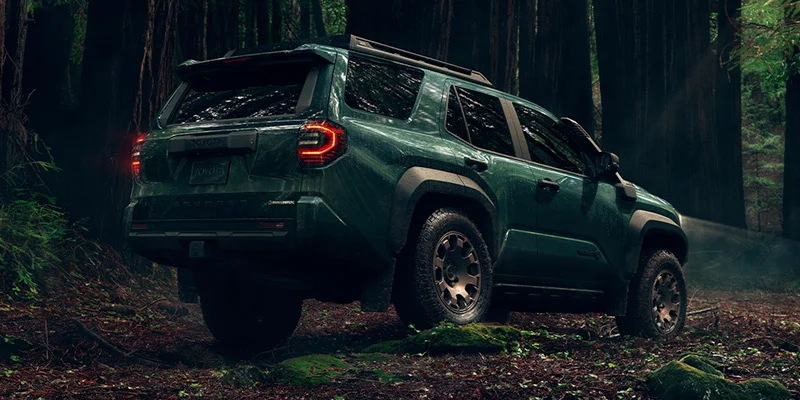
The 2025 Toyota 4Runner marks a pivotal moment for one of the most enduring SUVs in automotive history. For buyers seeking a balance of off-road capability, durability, and modern features, this redesigned model delivers a clear answer: it is a fully updated midsize SUV built on a new platform, offering improved performance, enhanced efficiency, and advanced technology while staying true to its rugged identity.
For decades, the 4Runner has stood apart from competitors by maintaining a body-on-frame construction, a design more commonly found in trucks than everyday SUVs. This structure has made it a favorite among off-road enthusiasts and drivers who prioritize reliability. However, changing market demands—ranging from fuel efficiency to digital connectivity—have pushed Toyota to rethink its approach.
The 2025 redesign reflects these shifts. It introduces a new architecture, updated powertrains including hybrid options, and a significantly improved interior. At the same time, it preserves the core characteristics that define the 4Runner: strength, resilience, and versatility.
This article explores the 2025 Toyota 4Runner in a structured and detailed manner, covering its engineering, performance, design, technology, and market position. It offers a comprehensive understanding of how this iconic SUV is evolving to meet the expectations of modern drivers.
Legacy and Evolution of the 4Runner
Since its introduction in 1984, the Toyota 4Runner has built a reputation for reliability and off-road performance. Early versions were simple and rugged, designed for durability rather than comfort. Over time, the model evolved, adding features and refinement while maintaining its core identity.
The 2025 model represents the sixth generation, ending a long period during which the previous version remained largely unchanged. This extended lifecycle contributed to the 4Runner’s reputation for consistency, but it also highlighted the need for modernization.
The evolution of the 4Runner reflects broader trends in the automotive industry. While many SUVs transitioned to car-based platforms for improved comfort and efficiency, the 4Runner retained its truck-based construction. This decision helped preserve its off-road capabilities but also limited advancements in fuel economy and interior design.
The new generation addresses these limitations while honoring the vehicle’s heritage, creating a bridge between past and present.
Platform and Structural Advancements
The 2025 Toyota 4Runner is built on the TNGA-F platform, a modern architecture designed to improve strength, safety, and driving dynamics. This platform is shared with other Toyota trucks and SUVs, allowing for greater engineering consistency.
The body-on-frame design remains a defining feature, ensuring durability and off-road capability. However, improvements in chassis rigidity and suspension design enhance both stability and comfort.
| Feature | Previous Generation | 2025 Model |
|---|---|---|
| Platform | Older body-on-frame | TNGA-F architecture |
| Chassis Strength | Moderate | Increased rigidity |
| Suspension | Basic setup | Advanced multi-link system |
| Ride Quality | Firm | More refined and stable |
These structural changes result in a more balanced driving experience, making the 4Runner suitable for both rugged terrain and daily use.
Powertrain and Performance Enhancements
One of the most significant updates in the 2025 model is the introduction of new powertrain options. The traditional V6 engine is replaced with a more efficient turbocharged four-cylinder engine, along with a hybrid variant.
The turbocharged engine offers improved fuel efficiency while maintaining strong performance. The hybrid system adds electric assistance, providing additional torque and reducing emissions.
This shift reflects a broader industry trend toward electrification. Hybrid technology allows the 4Runner to meet modern environmental standards without compromising its capability.
The improved torque delivery is particularly beneficial for off-road driving, where low-speed power is essential. At the same time, better fuel economy makes the vehicle more practical for everyday use.
Exterior Design and Styling
The exterior of the 2025 4Runner has been completely redesigned to reflect both strength and modernity. The front fascia features a bold grille, sharp LED headlights, and a more aggressive stance.
Despite these updates, the overall shape remains boxy, preserving the classic SUV silhouette. This design choice enhances visibility and maximizes interior space.
Additional styling elements, such as new wheel designs and updated color options, contribute to a contemporary appearance. However, the design avoids unnecessary complexity, maintaining a clean and functional look.
The result is a vehicle that looks modern while staying true to its rugged roots.
Interior Comfort and Technology
Inside, the 2025 Toyota 4Runner offers a significant upgrade in both comfort and technology. Previous models were often criticized for outdated interiors, but the new version addresses these concerns.
A large touchscreen infotainment system serves as the centerpiece of the dashboard. It supports modern connectivity features, including wireless smartphone integration.
| Interior Feature | Previous Model | 2025 Model |
|---|---|---|
| Infotainment System | Small and basic | Large and advanced |
| Connectivity | Limited | Wireless integration |
| Materials | Standard | Premium quality |
| Safety Features | Basic | Advanced driver assistance |
Improved materials and ergonomic design enhance the overall driving experience. Advanced safety systems, including adaptive cruise control and lane assistance, bring the 4Runner in line with current standards.
Off-Road Capability and Features
The 2025 4Runner continues to excel in off-road performance, a key aspect of its identity. Features such as four-wheel drive, locking differentials, and terrain management systems remain central to its design.
Advanced technologies like Multi-Terrain Select and Crawl Control assist drivers in navigating challenging conditions. These systems automatically adjust traction and power distribution, improving control on rough terrain.
The vehicle’s ground clearance and durable construction further enhance its capability. These features make it suitable for a wide range of environments, from rocky trails to sandy deserts.
The 4Runner’s commitment to off-road excellence ensures that it remains a top choice for adventure-focused drivers.
Market Position and Competition
The midsize SUV segment includes a variety of competitors, each offering different strengths. The 2025 4Runner stands out for its combination of reliability and off-road capability.
| Model | Strengths | Limitations |
|---|---|---|
| Toyota 4Runner 2025 | Durability, off-road ability | Fuel economy (improving) |
| Jeep Wrangler | Extreme off-road performance | Less comfortable on-road |
| Ford Bronco | Modern design and versatility | Long-term reliability unknown |
| Honda Passport | Comfort and practicality | Limited off-road features |
The 4Runner appeals to drivers who want a versatile SUV capable of handling both daily driving and outdoor adventures. Its reputation for reliability further strengthens its position in the market.
Environmental Impact and Efficiency
The introduction of hybrid technology represents a significant step toward improved environmental performance. By combining a gasoline engine with electric assistance, the 2025 4Runner reduces fuel consumption and emissions.
This change aligns with global efforts to address climate change and reduce reliance on fossil fuels. While SUVs generally consume more energy than smaller vehicles, improvements in efficiency help mitigate their impact.
The 4Runner’s transition to hybrid technology reflects a broader shift within the automotive industry, where sustainability is becoming a key consideration.
Consumer Expectations and Industry Trends
Modern consumers expect more from their vehicles than ever before. In addition to performance, they demand comfort, connectivity, and safety.
The 2025 4Runner addresses these expectations by incorporating advanced technology and improved interior design. At the same time, it retains the rugged features that define its character.
The move toward electrification is also shaping the future of SUVs. Hybrid systems serve as a bridge between traditional engines and fully electric vehicles, allowing manufacturers to adapt gradually.
The 4Runner’s evolution demonstrates how legacy models can remain relevant in a rapidly changing market.
Takeaways
- The 2025 Toyota 4Runner features a complete redesign with modern engineering.
- It introduces a new platform that improves strength and ride quality.
- Updated powertrains include turbocharged and hybrid options.
- Interior technology and comfort have been significantly enhanced.
- Off-road capability remains a defining characteristic.
- The model balances tradition with contemporary automotive trends.
Conclusion
The 2025 Toyota 4Runner represents a thoughtful evolution of a long-standing automotive icon. It successfully combines the rugged durability that defined earlier models with the technology and efficiency demanded by modern drivers.
This balance is critical in today’s market, where consumers expect vehicles to perform across a wide range of conditions. The 4Runner meets this challenge by offering both capability and comfort, without sacrificing its identity.
As the automotive industry continues to evolve, the 4Runner serves as an example of how tradition and innovation can coexist. Its redesign reflects not only technological progress but also a deeper understanding of what drivers value.
Ultimately, the 2025 4Runner is more than just a new model it is a continuation of a legacy, adapted for the future.
FAQs
What is new in the 2025 Toyota 4Runner?
It features a redesigned platform, updated powertrains, improved interior, and advanced technology.
Does the 2025 4Runner offer a hybrid option?
Yes, it includes a hybrid powertrain for better efficiency and performance.
Is the 2025 4Runner good for off-road driving?
Yes, it remains highly capable with advanced off-road systems and durable construction.
What platform does the 2025 4Runner use?
It uses Toyota’s TNGA-F platform, shared with newer trucks and SUVs.
How does it compare to competitors?
It offers strong reliability and off-road capability, making it competitive in the midsize SUV segment.
APA References
Toyota Motor Corporation. (2024). Toyota 4Runner overview. https://www.toyota.com
Car and Driver. (2024). 2025 Toyota 4Runner review. https://www.caranddriver.com
Edmunds. (2024). Toyota 4Runner features and specifications. https://www.edmunds.com
MotorTrend. (2024). First look at the 2025 Toyota 4Runner. https://www.motortrend.com
U.S. Environmental Protection Agency. (2023). Automotive fuel economy trends. https://www.epa.gov
National Highway Traffic Safety Administration. (2024). Vehicle safety information. https://www.nhtsa.gov