

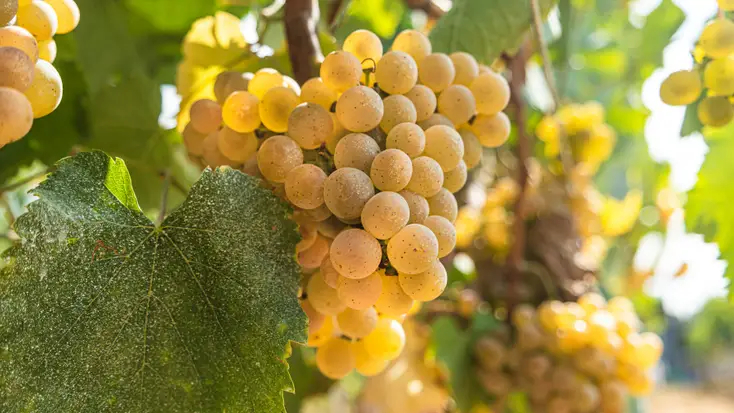
Albariño wine is a bright, aromatic white wine best known for its crisp acidity, citrus flavors, and subtle saline character, primarily produced in Spain’s Rías Baixas region and Portugal’s Vinho Verde area. For anyone seeking a quick understanding, Albariño is a coastal grape variety that thrives in cool, ocean-influenced climates and produces wines that are refreshing, food-friendly, and increasingly popular worldwide. Its rise in global recognition reflects a shift in wine preferences toward lighter, fresher styles. Albariño offers an appealing balance: vibrant fruit flavors such as lemon, lime, and peach, combined with a mineral edge that often evokes sea spray. This distinctive profile has made it a favorite among sommeliers and chefs, especially for pairing with seafood.
Yet Albariño is more than a trend. The vineyards of Galicia, shaped by granite soils, frequent rainfall, and Atlantic breezes, produce wines that are deeply expressive of place. Over the past few decades, improvements in viticulture and winemaking have elevated Albariño from a local specialty to an internationally respected varietal.
As global wine culture evolves, Albariño stands out for its ability to remain authentic while adapting to new markets. It represents a modern approach to white wine clean, precise, and connected to its origins—making it one of the most compelling varietals in today’s wine landscape.
Origins and Coastal Identity
Albariño’s origins are closely tied to Galicia, a lush, green region in northwestern Spain where vineyards sit close to the Atlantic Ocean. The Rías Baixas Denomination of Origin, established in 1988, formalized Albariño’s status as the region’s flagship grape and set quality standards that helped define its global identity. Unlike the sun-drenched vineyards of central Spain, Galicia experiences a cool, maritime climate with significant rainfall. These conditions shape Albariño’s character, preserving acidity and encouraging slow ripening. The result is a wine that feels vibrant and alive, with a freshness that reflects its coastal environment.
Traditionally, Albariño was consumed locally and often blended with other varieties. However, the late twentieth century saw a shift toward single-varietal wines, driven by advances in fermentation technology and a growing appreciation for terroir-driven expressions. This transformation allowed Albariño to showcase its unique personality, setting it apart from other white wines.
A leading wine authority once observed that Galicia’s wines are defined not by heat but by moisture and stone a description that captures Albariño’s essence.
The Rise of Rías Baixas on the Global Stage
The establishment of Rías Baixas DO marked the beginning of Albariño’s modern era. By enforcing regulations on grape varieties, yields, and production methods, the region ensured consistent quality and helped build international credibility. Rías Baixas is divided into five subregions, each contributing subtle differences in style. Val do Salnés, the most coastal area, is often considered the heart of Albariño production, known for wines with pronounced minerality and acidity. Other subregions, such as O Rosal and Condado do Tea, produce slightly richer expressions with more pronounced fruit characteristics.
During the 1990s and early 2000s, Albariño began gaining traction in export markets. Its compatibility with contemporary cuisine, particularly seafood and lighter dishes, made it a natural fit for global dining trends. Today, Albariño is widely available in major wine markets and continues to grow in popularity.
Its success lies in its versatility. Albariño delivers intensity without heaviness, offering a refreshing alternative to fuller-bodied white wines. This adaptability has positioned it as a staple on modern wine lists, appealing to both casual drinkers and seasoned enthusiasts.
Table 1: Core Characteristics of Albariño Wine
| Feature | Description | Influence on Wine |
|---|---|---|
| Climate | Cool, maritime | Preserves acidity and freshness |
| Soil | Granite, sandy | Adds mineral and saline notes |
| Aromas | Citrus, peach, floral | Enhances aromatic complexity |
| Alcohol | Moderate | Maintains balance |
| Acidity | High | Provides crisp, clean finish |
Viticulture and Winemaking Practices
Growing Albariño requires careful adaptation to Galicia’s humid climate. The grape is prone to fungal diseases, making vineyard management essential. One of the most distinctive features of Albariño cultivation is the use of pergola training systems, where vines are elevated above the ground. This method improves air circulation and reduces the risk of rot. Harvest typically takes place in early September, when grapes reach optimal ripeness while retaining their natural acidity. Timing is crucial; picking too late can result in a loss of freshness, while harvesting too early may limit flavor development.
In the winery, stainless steel fermentation is the dominant approach. This technique preserves Albariño’s bright fruit and floral aromas. Some producers experiment with aging the wine on its lees, which can add texture and complexity without compromising freshness. Oak aging is uncommon but not unheard of. When used, it is typically subtle, allowing the grape’s natural characteristics to remain the focus. The overall philosophy emphasizes minimal intervention, letting the vineyard’s qualities shine through. An expert in wine science once noted that Albariño demonstrates how careful handling can enhance a grape’s natural expression, rather than masking it. This approach has become central to its identity.
Flavor Profile and Tasting Experience
Aromatically, it often presents notes of lemon zest, lime, green apple, and white peach. Floral hints such as jasmine or orange blossom can add further complexity.
On the palate, Albariño is typically light to medium-bodied, with a crisp acidity that drives its refreshing character. Flavors of citrus and stone fruit dominate, sometimes accompanied by subtle tropical nuances. What sets Albariño apart is its saline minerality a faint, briny quality that evokes the ocean and enhances its food-pairing versatility.
The finish is clean and persistent, leaving a lingering impression of freshness. This balance between fruit, acidity, and minerality makes Albariño both approachable and sophisticated.
Table 2: Albariño Compared with Other White Wines
| Wine | Body | Acidity | Flavor Profile | Food Pairing |
|---|---|---|---|---|
| Albariño | Light–Medium | High | Citrus, peach, saline | Seafood, shellfish |
| Sauvignon Blanc | Light | High | Herbal, citrus | Salads, goat cheese |
| Chardonnay | Medium–Full | Medium | Apple, butter, oak | Poultry, creamy dishes |
| Riesling | Light | High | Apple, honey | Spicy foods |
Food Pairing and Culinary Versatility
Albariño’s natural acidity and clean profile make it exceptionally versatile at the table. The wine’s saline notes complement the natural flavors of shellfish, creating a harmonious pairing. Beyond seafood, Albariño pairs well with a wide range of cuisines. Its acidity cuts through the richness of fried foods, while its fruitiness balances spicy dishes. Mediterranean cuisine, with its emphasis on fresh ingredients and olive oil, is especially compatible.
Chefs appreciate Albariño for its ability to enhance rather than overpower. It works equally well as an aperitif or alongside a full meal, making it a flexible choice for diverse dining experiences.
Albariño in the Modern Wine World
The global expansion of Albariño reflects broader changes in wine consumption. As consumers seek lighter, more refreshing wines, Albariño has emerged as a natural choice. Its adaptability has led to plantings in regions outside Spain and Portugal, including the United States, Australia, and South America. Climate change has also influenced its trajectory. Rising temperatures in traditional wine regions have increased interest in grape varieties that maintain acidity in warmer conditions. Albariño’s resilience and versatility make it well suited to these challenges.
Winemakers are experimenting with new techniques and terroirs, pushing the boundaries of what Albariño can achieve.
Takeaways
- Albariño is a high-acidity white wine known for citrus and mineral flavors.
- It originates from Galicia’s Rías Baixas region in Spain.
- Coastal climate and granite soils define its character.
- Modern winemaking emphasizes freshness and aromatic purity.
- It is highly versatile and pairs well with seafood and global cuisines.
- Its global popularity continues to rise with changing consumer tastes.
Conclusion
Albariño’s story is one of transformation and continuity. From its origins in Galicia’s rain-soaked vineyards to its place on international wine lists, it has evolved without losing its identity. The wine captures the essence of its environment cool air, ocean influence, and mineral-rich soils while embracing modern techniques that enhance its appeal. In a rapidly changing wine industry, Albariño offers a sense of stability. Its style remains consistent even as it adapts to new markets and climates. This balance between tradition and innovation is central to its success.
Ultimately, Albariño represents more than a type of wine. It is a reflection of place, a testament to craftsmanship, and a reminder that simplicity when executed with precision can be profoundly compelling. As wine drinkers continue to explore new flavors and experiences, Albariño stands ready to meet them with freshness, clarity, and enduring charm.
FAQs
What is Albariño wine?
Albariño is a white wine grape variety known for producing crisp, aromatic wines with citrus and mineral notes.
Where is Albariño grown?
It is primarily grown in Spain’s Rías Baixas region and Portugal, where it is called Alvarinho.
Is Albariño dry or sweet?
Albariño is typically dry, though its fruity aromas may suggest sweetness.
What foods pair with Albariño?
It pairs best with seafood, shellfish, and light Mediterranean dishes.
Can Albariño age?
Most are best consumed young, though some premium examples can age for several years.
APA References
Oxford University Press. (2020). The Oxford companion to wine. https://global.oup.com
International Organisation of Vine and Wine. (2021). State of the world vitivinicultural sector. https://www.oiv.int
Consejo Regulador Rías Baixas. (n.d.). Rías Baixas denomination of origin. https://www.doriasbaixas.com
Wine & Spirit Education Trust (WSET). (2022). Understanding wines: Albariño and cool climate whites. https://www.wsetglobal.com
Encyclopaedia Britannica. (2023). Albariño grape and wine. https://www.britannica.com
 Kelly
Kelly