

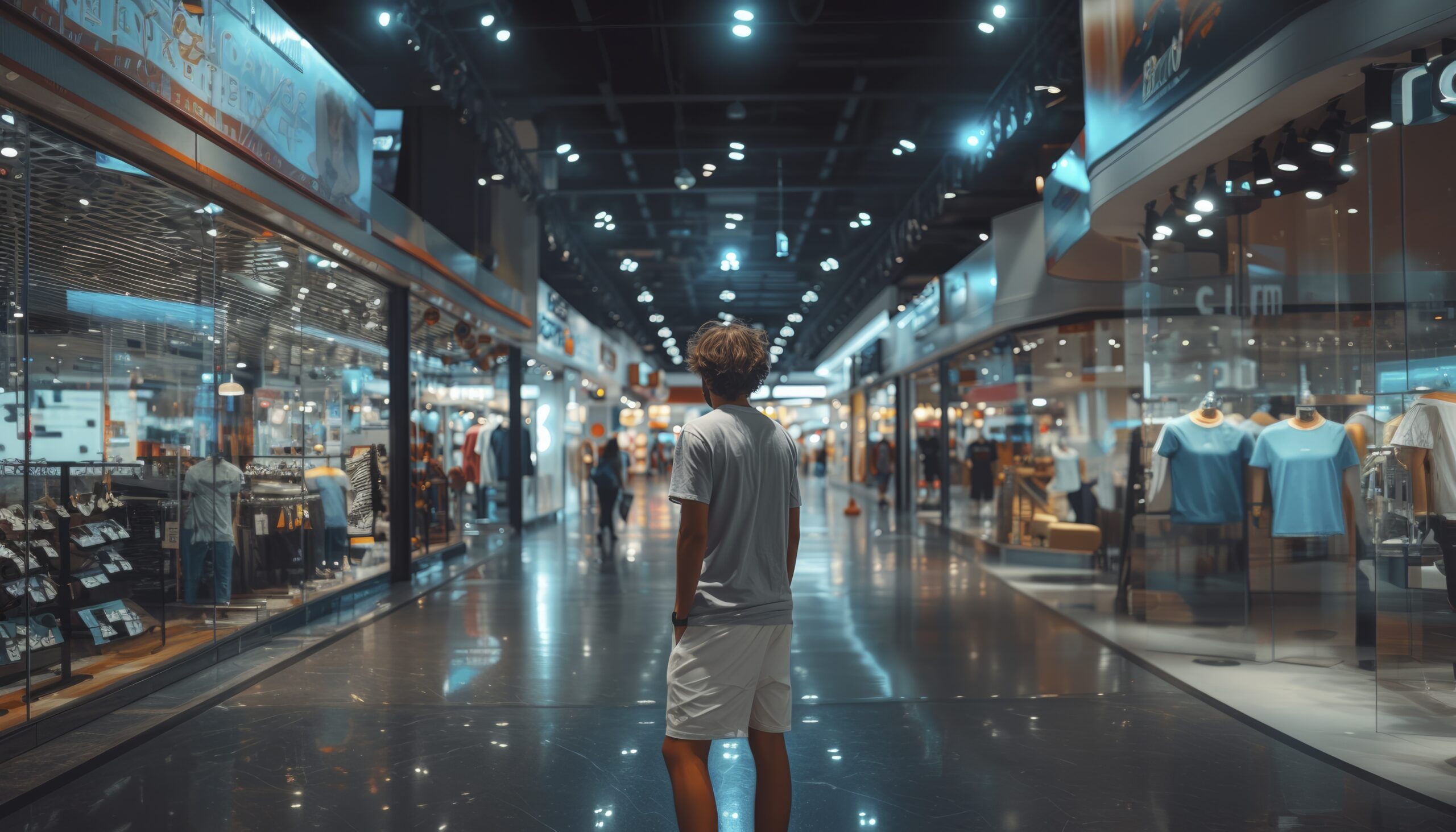
Retail has never been static, yet the pace of change today is unlike anything seen before. Consumer expectations are rising rapidly, technology is advancing continuously, and businesses are under pressure to deliver faster, smarter, and more personalized experiences. Within this evolving landscape, the concept of supermaked has emerged as a powerful reflection of modern retail transformation. While the term may sound like a variation of “supermarket,” its meaning extends far beyond traditional definitions. Supermaked represents a hybrid retail ecosystem where physical stores, digital platforms, and customer-centric strategies work seamlessly together. It is not just about selling products but about delivering a connected and efficient shopping journey. As lifestyles become busier and more digitally integrated, shoppers demand convenience, speed, and personalization all of which are central to the supermaked model.
Moreover, this concept captures how businesses are adapting to new realities. Retailers are no longer competing solely on price or location; instead, they are competing on experience, efficiency, and trust. Therefore, understanding supermaked is essential for anyone looking to grasp the future of commerce and how it is reshaping everyday shopping habits.
Understanding the Supermaked Concept in Modern Retail Evolution
Supermaked is best understood as an advanced evolution of traditional retail systems. While supermarkets historically focused on providing a wide range of products under one roof, supermaked expands this idea into a multi-channel retail experience. It blends in-store shopping, online purchasing, and data-driven personalization into a single cohesive model. At its core, supermaked prioritizes the customer journey rather than just the transaction. For instance, shoppers can browse products online, check availability in real time, and either place an order for delivery or pick it up in-store. This level of flexibility reflects how modern consumers interact with retail today.
Additionally, supermaked leverages smart retail technology to improve efficiency. Inventory systems are synchronized, customer data is analyzed to predict demand, and checkout processes are streamlined through automation. As a result, the shopping experience becomes faster, smoother, and more intuitive. Furthermore, the concept emphasizes adaptability. Retailers adopting supermaked strategies can quickly respond to market trends, seasonal demands, and consumer preferences. This responsiveness is what makes the model particularly relevant in today’s fast-changing environment.
From Traditional Supermarkets to Supermaked Ecosystems
The journey toward supermaked did not happen overnight. Instead, it evolved gradually as retail businesses responded to technological advancements and shifting consumer behavior. Traditional supermarkets were once revolutionary, offering convenience through centralized locations and self-service shopping. However, as competition increased and digital commerce emerged, limitations became apparent. Online shopping disrupted the traditional model by offering price comparison, home delivery, and 24/7 accessibility. Consequently, physical stores had to rethink their role. Rather than becoming obsolete, they began to transform into experience-driven spaces supported by digital tools.
Supermaked represents this transformation. Instead of choosing between online and offline retail, it combines both. Physical stores now act as experience centers, while digital platforms provide convenience and accessibility. This integration ensures that customers receive the best of both worlds. Moreover, businesses are redesigning store layouts, improving logistics, and adopting omnichannel retail strategies. These changes are not just operational; they redefine how customers perceive and interact with retail brands. As a result, supermaked becomes a natural progression rather than a sudden innovation.
How Consumer Expectations Drive the Growth of Supermaked
Consumer expectations are at the heart of the supermaked evolution. Today’s shoppers are more informed, connected, and selective than ever before. They expect seamless experiences, quick service, and personalized interactions. Therefore, retailers must adapt to meet these demands. Convenience is one of the most significant drivers. Customers want to complete their shopping quickly, whether online or in-store. Supermaked addresses this by offering features such as click-and-collect services, fast checkout systems, and real-time product availability.
In addition, personalization plays a crucial role. Modern consumers prefer experiences tailored to their preferences. Through data analytics and AI-powered recommendations, supermaked environments can suggest products, offer targeted promotions, and enhance overall satisfaction. Trust is another key factor influencing consumer behavior. Shoppers want transparency in pricing, product quality, and data usage. Therefore, supermaked models emphasize clear communication, consistent service, and secure digital systems to build long-term relationships. Finally, the demand for flexibility continues to grow. Customers expect multiple purchasing options, including delivery, pickup, and in-store browsing. Supermaked fulfills these expectations by integrating various channels into a unified system.
The Role of Technology in Building the Supermaked Experience
Technology serves as the backbone of the supermaked model. Without it, the seamless integration of physical and digital retail would not be possible. From backend operations to customer-facing tools, technology drives every aspect of the experience. One of the most important components is inventory management systems. These systems track product availability in real time, ensuring that shelves are stocked efficiently and customers receive accurate information. This reduces frustration and improves reliability. On the customer side, mobile apps and digital payment solutions simplify interactions. Shoppers can browse products, place orders, and complete transactions with minimal effort. Additionally, features like digital receipts and order tracking enhance convenience.
Artificial intelligence and machine learning further enhance the experience by analyzing customer behavior. These technologies enable retailers to predict demand, optimize pricing, and deliver personalized recommendations. As a result, shopping becomes more relevant and engaging. Moreover, automation reduces operational costs and improves efficiency. Self-checkout systems, automated warehouses, and smart logistics networks streamline processes and free up staff to focus on customer service. This balance between technology and human interaction is essential for a successful supermaked model.
Business Strategies Behind the Supermaked Model
Adopting a supermaked approach requires a shift in business strategy. Traditional retail models focused on volume sales and physical foot traffic. However, supermaked emphasizes customer engagement, data utilization, and operational efficiency. One key strategy is leveraging customer data. By analyzing purchasing patterns and preferences, businesses can make informed decisions about product placement, pricing, and promotions. This data-driven approach improves both profitability and customer satisfaction. Another important aspect is supply chain optimization.
Supermaked relies on efficient logistics to ensure timely delivery and product availability. Retailers invest in advanced systems to manage inventory, reduce waste, and streamline distribution. Additionally, businesses focus on enhancing the customer experience. This includes improving store layouts, training staff, and integrating digital tools. The goal is to create a seamless journey that encourages repeat visits and builds loyalty. However, implementing these strategies requires investment. Technology infrastructure, employee training, and system integration can be costly. Therefore, businesses must carefully plan their transition to ensure long-term success.
The Changing Role of Physical Stores in Supermaked
Physical stores remain an essential component of the supermaked model, but their role has evolved significantly. Instead of serving solely as transaction points, they now function as interactive retail spaces. Customers visit these stores not just to purchase products but to explore, compare, and experience them. This shift transforms shopping into a more engaging and enjoyable activity. For example, stores may include product demonstrations, interactive displays, and personalized assistance.
Furthermore, physical locations act as fulfillment centers. They support services such as order pickup, returns processing, and local delivery, making them integral to the overall retail ecosystem. Store design also plays a crucial role. Clear layouts, intuitive navigation, and attractive displays enhance the shopping experience. These elements reduce friction and encourage customers to spend more time in-store.
By integrating digital tools, physical stores gain additional capabilities. For instance, customers can use mobile apps to locate products, access promotions, and receive personalized recommendations while shopping. This combination of digital and physical elements defines the essence of supermaked.
Challenges and Limitations of the Supermaked Approach
Despite its advantages, the supermaked model is not without challenges. One of the primary concerns is the cost of implementation. Advanced technologies, infrastructure upgrades, and employee training require significant investment. Additionally, smaller businesses may struggle to compete with larger retailers that have more resources. This can lead to increased market concentration and reduced diversity in the retail sector. Another challenge is maintaining data security. As supermaked relies heavily on customer data, businesses must ensure that information is protected. Data breaches or misuse can damage trust and harm brand reputation.
Moreover, there is a risk of over-reliance on technology. While automation improves efficiency, it can also reduce human interaction. Therefore, businesses must strike a balance between technological innovation and personalized service. Finally, adapting to rapid change can be difficult. Retailers must continuously update their systems and strategies to stay relevant, which requires ongoing effort and investment.
Economic and Social Impact of Supermaked Retail Systems
The rise of supermaked has broader implications beyond individual businesses. It influences employment, urban development, and economic growth. As retail becomes more technology-driven, new job roles emerge in areas such as digital management, logistics, and data analysis. At the same time, traditional roles may evolve or decline. Employees must adapt by acquiring new skills and embracing technological tools. This shift highlights the importance of training and education in the modern workforce.
Supermaked also impacts urban planning. Efficient retail systems reduce congestion by offering delivery and pickup options. This contributes to more sustainable and convenient city living. Economically, the model encourages competition based on innovation and customer experience rather than just scale. Businesses that understand their customers and adapt quickly can succeed even in competitive markets.
Furthermore, supermaked supports local economies by integrating local suppliers and promoting community engagement. This balance between global efficiency and local relevance is essential for sustainable growth.
Future Trends Shaping the Supermaked Landscape
The future of supermaked is closely tied to technological advancements and evolving consumer expectations. Innovations such as artificial intelligence, automation, and augmented reality will continue to shape the retail experience. For instance, AI-driven systems will provide even more accurate recommendations and predictive insights. Automation will streamline operations further, reducing costs and improving efficiency. Augmented reality may enhance in-store experiences by allowing customers to visualize products or access additional information through their devices. This interactive approach will make shopping more engaging and informative.
Sustainability will also play a critical role. Retailers will adopt eco-friendly practices, reduce waste, and optimize supply chains to minimize environmental impact. Consumers increasingly value responsible businesses, making sustainability a key factor in success. Additionally, the integration of online and offline channels will become even more seamless. Supermaked will continue to evolve as a unified system that adapts to changing needs and technologies.
Conclusion: Why Supermaked Defines the Future of Retail
Supermaked is more than just a trend; it is a reflection of how retail is transforming to meet modern demands. By combining digital innovation, customer-centric strategies, and efficient operations, it creates a model that is both practical and forward-thinking. As consumers continue to seek convenience, personalization, and trust, supermaked will play an increasingly important role in shaping their shopping experiences.
Businesses that embrace this model will be better positioned to succeed in a competitive and rapidly changing market. Ultimately, supermaked represents the future of retail one that is flexible, intelligent, and deeply connected to the needs of its customers.
 Oliver