

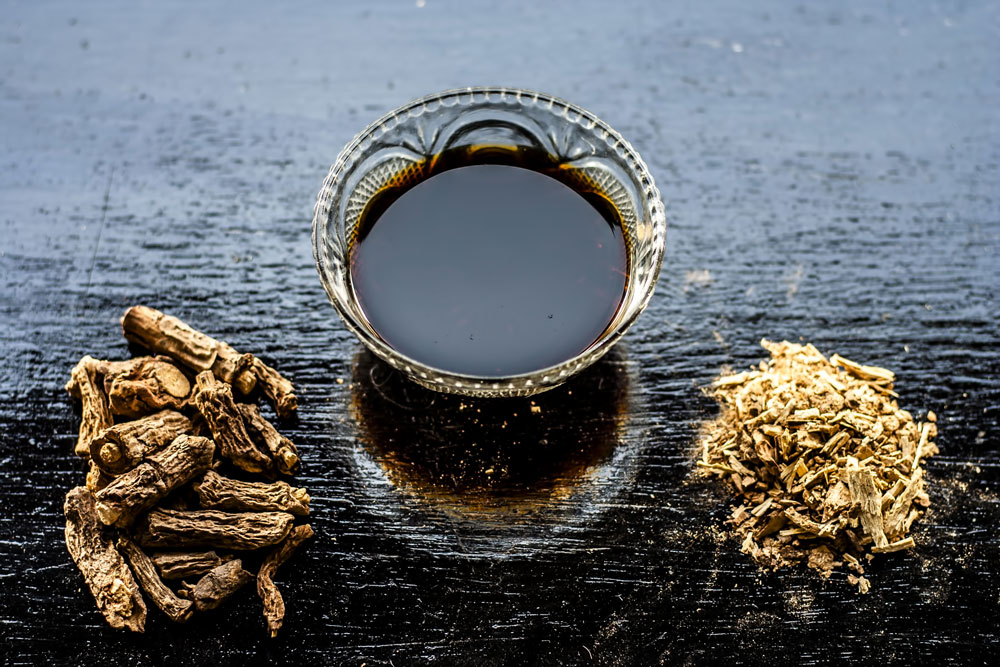
Sarsaparilla root occupies a rare place in the modern wellness conversation: widely recognized, lightly understood, and often mischaracterized. In 2025, interest in this historic botanical has resurfaced amid a broader revival of traditional remedies, functional beverages, and plant-based supplements. Readers searching for clarity want to know what sarsaparilla root actually is, what benefits it may realistically provide, and how its long-standing reputation holds up under contemporary scrutiny.
At its simplest, sarsaparilla refers to the roots of several species of the Smilax genus, woody climbing vines native to Central and South America, the Caribbean, and parts of Asia. For centuries, these roots were brewed into teas or syrups believed to support joint comfort, skin health, and general vitality. Today, laboratory research suggests sarsaparilla contains naturally occurring compounds with mild anti-inflammatory and antioxidant properties, though strong clinical evidence remains limited.
The renewed interest in 2025 reflects changing consumer expectations. Wellness audiences increasingly demand transparency, sourcing information, and scientific plausibility rather than folklore alone. Sarsaparilla’s story offers a useful case study: how traditional knowledge, commercial enthusiasm, and modern research interact. This article examines sarsaparilla root through its botanical identity, cultural history, chemical makeup, safety considerations, and current role in wellness without exaggeration and without dismissal.
Botanical Identity and Species Variation
Sarsaparilla is not derived from a single plant species, a fact that underlies much of the confusion surrounding its effects. The name commonly refers to roots from Smilax officinalis, Smilax ornata, Smilax glabra, and related species. These plants grow slowly in forested environments, producing thick, fibrous roots that may take several years to mature.
From a botanical standpoint, species variation matters. Different Smilax species contain different concentrations of saponins, flavonoids, and plant sterols. Traditional healers often distinguished between regional varieties, but modern commercial products do not always specify species, leading to inconsistent potency and outcomes.
This lack of standardization poses challenges for research, regulation, and consumer trust. Without clear botanical identification, it is difficult to compare studies or ensure consistent quality, a problem common across the herbal supplement industry.
Indigenous and Early Medicinal Use
Long before sarsaparilla entered European pharmacopeias, Indigenous communities in Central America and the Caribbean used the root within broader healing systems. Preparations were typically simple boiled roots consumed as teas or decoctions and were used for joint stiffness, skin eruptions, and general weakness.
When Spanish explorers encountered sarsaparilla in the 16th century, it was introduced to Europe as a promising medicinal export. By the 18th and 19th centuries, it had become a common prescription in Europe and North America, particularly for chronic inflammatory conditions. Its popularity coincided with limited medical alternatives and a reliance on plant-based remedies.
The decline of sarsaparilla’s medical status followed the rise of laboratory medicine and antibiotics. Yet its cultural presence endured, especially in tonics and beverages, illustrating how tradition can persist even as medical paradigms shift.
Phytochemistry and Biological Activity
Modern scientific interest in sarsaparilla centers on its chemical constituents. The roots contain saponins, compounds known to interact with cell membranes and inflammatory pathways in experimental models. Flavonoids and phenolic compounds contribute antioxidant activity, which has been demonstrated in laboratory settings.
Animal and in vitro studies suggest these compounds may reduce markers of inflammation and oxidative stress. However, translating such findings into proven human health benefits is complex. Factors such as absorption, metabolism, dosage, and preparation method all influence outcomes.
As pharmacology experts frequently emphasize, the presence of bioactive compounds does not guarantee therapeutic effectiveness. For sarsaparilla, the gap between laboratory activity and clinical evidence remains significant.
Traditional Claims and Scientific Reality
Sarsaparilla is often marketed with claims related to detoxification, hormonal balance, skin clarity, and joint support. Among these, joint comfort and skin support align most closely with historical use and limited experimental findings. Detoxification claims are not supported by modern physiology, as the liver and kidneys already perform detoxification efficiently.
Hormonal claims are particularly persistent. They stem from the presence of plant sterols, which resemble human steroid hormones structurally. However, endocrinology research consistently shows that these compounds do not convert into hormones in the human body.
A recurring expert perspective in nutrition science is that sarsaparilla may serve as a gentle supportive herb, but not a targeted treatment for specific medical conditions.
Comparison With Other Medicinal Roots
| Root | Historical Focus | Evidence Strength | Common Forms |
|---|---|---|---|
| Sarsaparilla | Inflammation, skin | Low–Moderate | Tea, extract |
| Turmeric | Inflammation | Moderate–High | Capsules, spice |
| Ginger | Digestion, nausea | High | Fresh, powder |
| Dandelion root | Digestive support | Moderate | Tea, tincture |
This comparison illustrates why sarsaparilla occupies a more modest position in contemporary herbal practice compared to better-studied roots.
Safety Profile and Usage Considerations
Traditional use suggests sarsaparilla is generally safe when consumed in moderate amounts, particularly as teas. Modern concentrated extracts, however, may cause gastrointestinal discomfort, including nausea or diarrhea, especially at higher doses.
Quality control is a recurring concern. Misidentified plant material or contamination during processing can introduce risks unrelated to sarsaparilla itself. Health authorities typically advise caution for pregnant or breastfeeding individuals due to insufficient safety data.
As with all supplements, reputable sourcing, clear labeling, and conservative use are central to minimizing risk.
Sustainability and Ethical Harvesting
Rising interest in sarsaparilla raises sustainability questions. Smilax vines require years to mature, and aggressive harvesting can damage forest ecosystems. Ethical suppliers emphasize rotational harvesting, habitat preservation, and collaboration with local communities that have historically relied on the plant.
Sustainability is not only an environmental issue but also a cultural one, preserving traditional knowledge alongside biodiversity.
Takeaways
- Sarsaparilla refers to multiple Smilax species, affecting consistency and potency.
- Historical use emphasizes safety more than strong clinical efficacy.
- Scientific evidence supports only mild anti-inflammatory effects.
- Detox and hormone-related claims lack credible support.
- Ethical sourcing and sustainability are increasingly important in 2025.
Conclusion
Sarsaparilla root’s reappearance in 2025 reflects a broader cultural effort to reconcile tradition with evidence. Its long history offers insight into earlier approaches to health, while modern science provides tools to separate plausibility from exaggeration. Neither dismissed nor glorified, sarsaparilla stands as a botanical with limited but legitimate relevance.
For modern readers, the lesson is discernment. Sarsaparilla may complement a balanced lifestyle, but it should not replace evidence-based medical care. Its story reminds us that wellness trends are most meaningful when they are honest about both potential and limitation.
FAQs
What is sarsaparilla root commonly used for today?
It is mainly used in supplements and traditional beverages for general wellness support.
Is there strong scientific proof of its benefits?
No. Evidence supports only mild supportive effects.
Does sarsaparilla influence hormones?
There is no reliable human evidence showing hormonal changes.
Can it be used daily?
Occasional use is generally safe; concentrated extracts require caution.
Why has interest grown again in 2025?
Renewed focus on traditional botanicals and transparency in wellness products has driven interest
References
Encyclopaedia Britannica. (2023). Sarsaparilla.
Mayo Clinic. (2021). Herbal supplements: What to know before you buy.
National Center for Complementary and Integrative Health. (2022). Herbs at a glance.
U.S. National Library of Medicine. (2021). Smilax species and phytochemistry.
World Health Organization. (2019). WHO monographs on selected medicinal plants.
 Kelly
Kelly